What Causes Booster Pump Noise in Surrey Homes
That persistent hum, rattle, or bang coming from your booster pump isn't something to brush off. Booster pump noise is one of the clearest early warnings that something in your water system needs attention, and in many Surrey homes, the root cause is hiding in the pipework, controls, or installation rather than the pump itself.
Quick take: the most common culprits are cavitation from low inlet pressure, air ingress, off-design pump operation, mechanical wear, and pressure surges. Read on for a full breakdown of each cause, what the noise is telling you, and when it's time to call a professional.
Table of Contents
Common Types of Booster Pump Noise
Why Is My Booster Pump Making Noise?
Main Causes of Booster Pump Noise in Surrey
Why Booster Pump Noise Shouldn't Be Ignored
How a Professional Can Quiet or Repair a Noisy Booster Pump
What Is Booster Pump Noise?
A pressure boosting system raises low water pressure so every tap and shower in your home gets a consistent flow. It normally consists of one or more pumps working together as a booster set. Booster pump noise is the unwanted sound and vibration that system creates during operation.
The noise doesn't always come from the pump unit itself. It can be solid-borne (felt through floors and walls), air-borne (heard across a room), or liquid-borne (carried through the pipework). As pump engineering guidance explains, the vibrations originate in the piping and pump casing before interacting with the surrounding air and being perceived as sound. So if your plumbing rattles in the walls or your cupboard vibrates near the pump, that's still booster pump noise, just travelling further than you'd expect.
Common Types of Booster Pump Noise
Not all booster pump noise sounds the same, and the type you're hearing is often the first clue to what's going wrong.
A steady hum or whirr is the most familiar. Some level of operating hum is normal, but it should stay stable and quiet. If it gets noticeably louder or changes in character, that's worth investigating.
A crackling or rattling noise is a much stronger warning sign. Cavitation noise typically starts as a high-pitched crackling that can worsen into rattling, and in more advanced cases it can sound like gravel or coffee beans moving through the system. If you're hearing that in a Guildford or Woking property, cavitation deserves to be near the top of the diagnostic list.
A loud bang or hammering noise points towards pressure surges or water hammer. This tends to happen when flow changes rapidly, such as when a valve closes quickly or the pump stops suddenly.
Why Is My Booster Pump Making Noise?
In most cases, a noisy booster pump isn't being randomly loud. It's reacting to a hydraulic or mechanical problem, and the noise is the symptom rather than the root cause.
Every pump has a Best Efficiency Point (BEP). When it runs close to that point, it operates with minimum vibration and noise. Move too far in either direction and the risks rise: higher vibration, internal recirculation, overheating, cavitation, and hydraulic instability. Poor pump selection, wear, fouling, or control limitations can all push a pump away from its BEP, which is why noise so often signals a deeper system problem.
Main Causes of Booster Pump Noise in Surrey
Insufficient Inlet Pressure and Cavitation
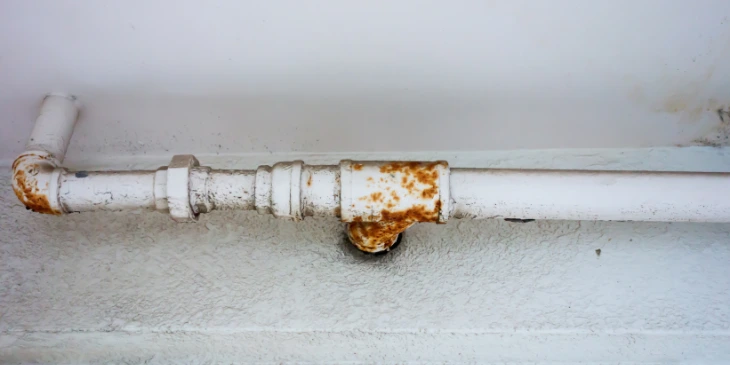
This is one of the most common noise causes in domestic booster systems. When pressure at the impeller suction drops too low, vapour bubbles form and then collapse violently as pressure rises again, creating shockwaves, mechanical damage, noise, and vibration.
Practical causes include clogged filters, part-closed inlet valves, and poor suction conditions. In Epsom and Reigate where mains pressure can vary by street, low incoming pressure feeding a booster set is a frequent trigger.
Air Ingress, Entrained Air, and Vortices
Some booster pump noise is actually the sound of unstable water conditions arriving at the pump. Air or gas content at the inlet can raise vibration and noise while reducing performance. This is worth considering in properties across Camberley and Farnham that have had recent pipework changes, or where the booster set draws from a break cistern.
Running Too Far from the Best Efficiency Point
A pump near its BEP benefits from minimum vibration, lower bearing and seal loads, and longer service life. Off-BEP operation brings higher vibration, recirculation, overheating, and hydraulic instability. In Dorking and Redhill, ageing booster sets that have never been recommissioned after system modifications are often running well outside their intended range.
Mechanical Wear, Misalignment, and Pipe Stress
Noise isn't always hydraulic. Inaccurate alignment causes vibration and excessive wear on bearings, shafts, and wear rings. Pipe stress on the pump body accelerates wear on seals and couplings too. Booster pump noise that develops gradually over months is often a sign of progressive mechanical deterioration.
Pressure Surges and Water Hammer
Surge pressure occurs when flow velocity changes too quickly, such as when a valve closes rapidly or the pump stops suddenly. Fixed-speed booster sets are particularly prone to this, as repeated stop-start cycling creates pressure surges that cause noise and, over time, damage to the pump and surrounding system.
Why Booster Pump Noise Shouldn't Be Ignored
Noise is often the earliest warning of a more expensive failure ahead. Cavitation causes progressive mechanical damage to shafts, bearings, and seals, and if left unchecked it can ultimately lead to pump failure. Off-BEP operation increases wear, energy use, and breakdown risk.
The consequences in a UK home aren't only mechanical. Poor control of noise and vibration can disturb occupants and, in terraced or semi-detached properties, neighbouring homes. Manufacturer guidance is clear: abnormal noise or vibration may indicate a dangerous operating condition, and the pump should be shut down until the cause has been identified.
If you're in Sutton or anywhere across Surrey and your pump has been getting gradually louder, it's worth getting it checked before a minor issue becomes a costly one. Contact us to arrange a diagnosis.
How a Professional Can Quiet or Repair a Noisy Booster Pump
A professional diagnosis should always start by finding the noise mechanism, not just muffling it. That means confirming pressure, flow, vibration, and operating behaviour before any parts are replaced.
Where the root cause is in the controls or sizing, professionals often solve the noise by changing how the set operates. Fixed-speed booster sets create varying pressures and pressure surges through on-off cycling, while variable-speed pumps deliver smoother control and cut hydraulic stress through soft start and stop.
Where the issue is structure-borne, installation details matter. Correct use of vibration-damping rubber pads, flexible hoses, and well-placed pipe hangers can reduce perceived noise by as much as 50%. There's also a compliance dimension: a pump or booster drawing more than 12 litres per minute when connected directly or indirectly to a supply pipe must be notified under Water Regs UK requirements across England, Wales, Scotland, and Northern Ireland. Direct boosting arrangements, where a booster set connects directly to the mains to serve the whole building, carry particular obligations under those regulations. The Water Supply (Water Fittings) Regulations 1999 also require water fittings work to be carried out in a workmanlike manner.
Our team at Plumbing Surrey has been handling booster pump diagnosis and repair across Surrey since 2005. Find out more on our about page.
Final Thoughts on Booster Pump Noise
Booster pump noise is usually a sign of one of four things: unstable suction conditions, off-design operation, mechanical wear or misalignment, or poor vibration control in the installation. The noise might be loudest at the pump, but the real cause is often in the pipework, controls, or system design.
If the noise is new, worsening, or comes with pressure loss, cycling, rattling, banging, or strong vibration, get it professionally diagnosed rather than normalising it. Whether you're in Epsom, Reigate, Camberley, Farnham, Dorking, or Redhill, our team is here to help. Get in touch and we'll take it from there.

Booster Pump Noise FAQs
Is any booster pump noise normal?
A modest, steady operating hum can be normal. What's not normal is a pump that becomes unusually loud, starts rattling, bangs in the pipework, or develops strong vibration. Any change in noise character should be treated as a fault condition.
What noise most strongly suggests cavitation?
It often starts as a high-pitched crackling that worsens into rattling. In more advanced cases it can resemble gravel or coffee beans moving through the system. If you're hearing that, don't wait to get it checked.
Can low incoming pressure make a booster pump noisy?
Yes. Low pressure at the suction side can let the liquid reach vapour pressure, forming bubbles that collapse violently and damage the impeller. Clogged filters, part-closed valves, and poor suction conditions can all trigger the same problem.
Are variable-speed booster sets usually quieter than fixed-speed sets?
In many cases, yes. Fixed-speed sets create pressure surges through on-off cycling. Variable-speed pumps deliver smoother control, operate closer to their efficient range, and use soft start and stop to reduce hydraulic stress.
Can I install or alter a booster pump myself in the UK?
This is best treated as professional work. Pumps drawing more than 12 litres per minute connected to a supply pipe must be notified under Water Regs UK requirements, and the Water Supply (Water Fittings) Regulations require water fittings work to be carried out in a workmanlike manner.
When should I call a professional urgently?
Call urgently if you hear loud banging, if a hum becomes a rattle or strong vibration, if pressure drops at outlets, or if the pump is overheating or cycling badly. Abnormal noise or vibration may indicate a dangerous operating condition, and the pump should be shut down until the fault is found. Our teams across Sutton and the wider Surrey plumbing area are on hand for exactly these situations.
Will anti-vibration mounts or flexible hoses fix every noisy booster pump?
No. They're effective when the real issue is vibration transmission into the building. But if the pump is cavitating, running far from BEP, or suffering from water hammer, isolation alone won't solve the root cause.
