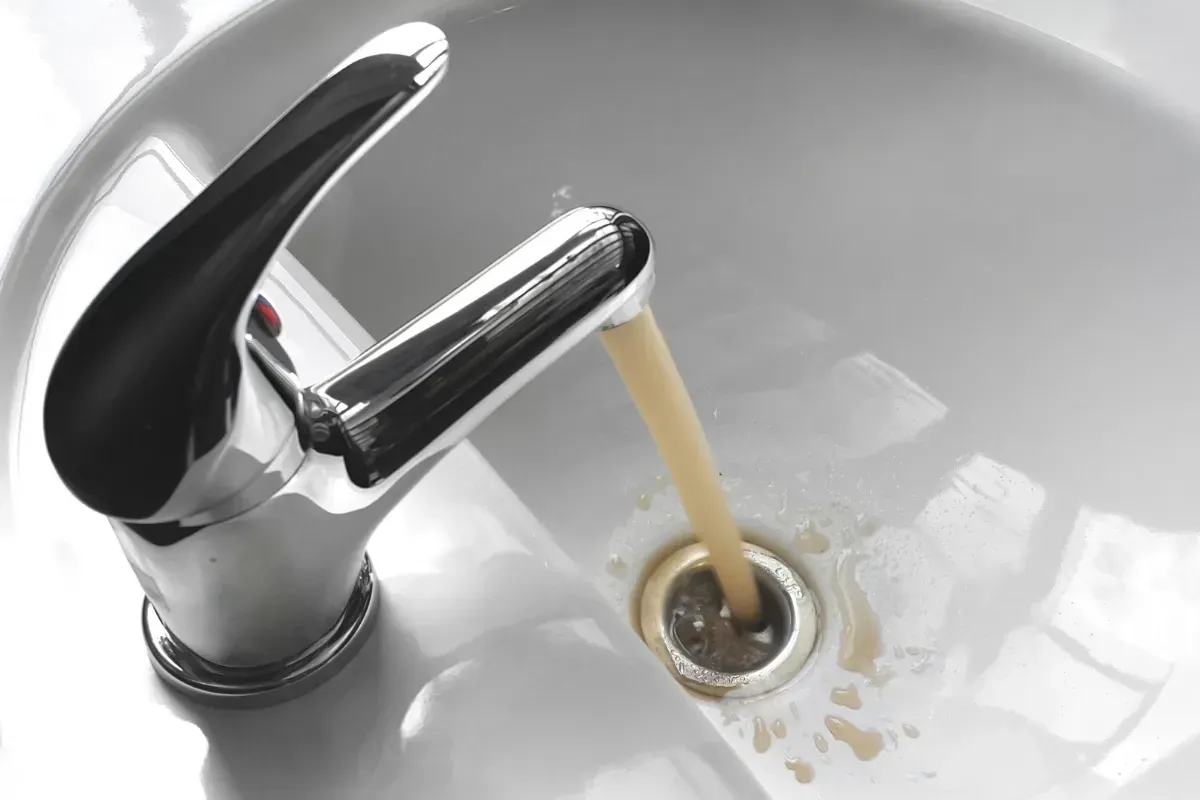
Why is my Tap Water Brown? What to do - 2026 Surrey
You turn on the tap expecting clear water, and out comes something that looks more like weak tea. It's unsettling, isn't it? Brown tap water is one of those household moments that immediately puts you on edge, wondering if it's safe to drink, whether your pipes are falling apart, or if there's something seriously wrong with your plumbing. The good news is that in most cases, brown water isn't dangerous, and the fix is often simpler than you'd think.
Quick take: Brown tap water usually comes from rust, sediment, or disturbance in the water mains. If it's just your hot tap, it's likely your water heater. If it's both taps, it could be mains work or old pipes. Flush your taps for a few minutes first. If the water doesn't clear or keeps coming back, call a professional to investigate properly.
Table of Contents
What Brown Water From Taps Usually Means
What Causes Brown Water From Taps?
Is Brown Tap Water Safe to Drink, Shower In, or Wash Clothes With?
Brown Water From Cold Tap vs Hot Tap Only: What Each Points To
When Flushing Isn't Enough: Signs You Need an Investigation
What Brown Water From Taps Usually Means
When your tap water turns brown, it's almost always down to sediment or rust getting into your water supply. The water itself isn't necessarily contaminated with bacteria, but it's carrying particles that make it look murky, brown, or even orange. These particles can leave stains on your sink, bath, or clothes if you're unlucky enough to do a white wash when it happens.
Sediment is generally unpleasant rather than dangerous, but it's a sign something in your plumbing needs attention. Brown water can also encourage bacteria growth if left sitting in your pipes, and it's worth understanding what's going on so you can sort it quickly and get back to normal.
Across Surrey, brown tap water tends to crop up after water main repairs or in older properties with ageing pipes. Homes in Guildford, Woking, and Farnham with Victorian or Edwardian plumbing are particularly prone to this, as many still have galvanised or iron pipes that rust over time.
What Causes Brown Water From Taps?
There are a handful of common culprits behind brown tap water. Here's what might be happening in your home.
Rusty or Corroded Pipes
Older galvanised iron or steel pipes corrode as their protective zinc coating wears away. Once that happens, water comes into direct contact with bare metal, and rust forms. This is especially common in homes built before the 1970s, when galvanised pipes were standard. Many properties in Epsom, Reigate, and Dorking still have original piping that's well past its best.
Brown water is often worse first thing in the morning or after being away for a few days, as water sitting in pipes has more time to pick up rust. If it clears after running for a minute or two, rusty pipes are likely the cause.
Sediment Build-Up in Pipes
Minerals like iron and manganese settle at the bottom of pipes. When water pressure changes suddenly during mains repairs, that sediment gets stirred up and comes out of your tap.
If you've noticed road works or received a letter about planned maintenance, that's probably the cause. This type of discolouration is usually temporary and affects a whole street.
Corroded Water Heater
Brown hot water usually points to a problem with your water heater. If the tank or heating element has corroded, rust particles get into the hot water supply. Sediment can also build up without regular servicing.
If brown water only appears from the hot tap, your water heater is almost certainly the issue.
Water Main Work or Repairs
When the water company carries out mains repairs or upgrades, it can disturb sediment and rust, resulting in brown tap water affecting multiple homes.
The water company usually notifies residents in advance. If you've not had warning and your neighbours are seeing brown water, check with your local supplier about emergency repairs.

Is Brown Tap Water Safe to Drink, Shower In, or Wash Clothes With?
The short answer is that brown tap water is usually safe in the sense that it's not going to make you seriously ill, but that doesn't mean you should just carry on as normal. While the discolouration comes from rust or sediment rather than harmful bacteria, it's still not ideal to use.
Drinking Brown Water
Drinking water with rust or sediment isn't toxic, but it's unpleasant and can taste metallic. More importantly, if the brown colour persists, it could mean ongoing corrosion in your pipes, which might allow other contaminants to enter your water supply. It's best to avoid drinking brown tap water until you've flushed the system and it runs clear. If it doesn't clear after a few minutes, don't risk it. Use bottled water instead and call a plumber.
Showering or Bathing
Showering in brown water isn't dangerous, but the sediment can leave marks on your bath or shower tray and might temporarily stain your skin. Most people wait until the water clears.
Washing Clothes
This is where brown tap water can cause real problems. Running a wash while your water is discoloured risks staining your clothes, particularly whites and lights. Rust stains are notoriously difficult to remove, so it's worth holding off on laundry until your tap water is back to normal. If you've already run a wash and noticed staining, re-washing with a rust remover might help, but prevention is always easier.
Brown Water From Cold Tap vs Hot Tap Only: What Each Points To
Where you see brown water tells you a lot about what's causing it. If it's both taps, the issue is likely in your mains supply or cold water pipes. If it's only the hot tap, your water heater is almost certainly to blame.
Both Taps Affected
If brown water is coming from both taps, the problem is in your mains supply or incoming cold water pipes. Check with your neighbours. If they're experiencing the same thing, it's almost certainly a mains issue.
In older homes across Sutton, Camberley, and Redhill, the issue might be isolated to your property if you've got ageing pipework. If flushing doesn't clear it and your neighbours aren't affected, get a plumber to inspect.
Hot Tap Only
If only your hot tap is producing brown water, your water heater is the issue. This could be rust inside the tank, a corroded heating element, or sediment build-up. If yours is more than 10 to 15 years old, internal corrosion becomes likely.
Running the hot tap might clear it temporarily, but if it keeps coming back, you'll need a professional inspection. Sometimes a tank flush sorts it. In other cases, you might need to replace the heater or components like the anode rod.
Cold Tap Only
Brown water from the cold tap alone is less common, but it can happen if there's isolated corrosion in your cold water pipes or specific work on the cold supply. Check with your water supplier first to rule out mains-related issues. If the problem is limited to your property, a plumber can trace the source and recommend the right fix.
What To Do Immediately
When you notice brown tap water, stay calm and run through these quick checks. Most of the time, flushing will clear it.
Run the Taps
Turn on the affected tap and let it run for five to ten minutes. If the brown colour is from sediment disturbance or water sitting in pipes, flushing should clear it. Run the cold tap first to see if the water clears. If it does, the issue is likely temporary. If it doesn't, move on to the hot tap and see if that clears separately.
If the water starts to clear but takes a while, there's sediment working its way out. Keep an eye on it over the next few hours. If it returns after you stop using the tap, there's an underlying problem that needs sorting.
Check All Taps
Test taps in your kitchen, bathroom, and utility room. If brown water is coming from every tap, it's system-wide. If it's isolated to one room or tap, the problem is localised.
Check With Your Neighbours
Ask if they're having the same issue. If they are, it's almost certainly mains-related. If you're the only one affected, the problem is within your property.
Contact Your Water Supplier
If the water doesn't clear after flushing and your neighbours are also affected, contact your water supplier. They'll confirm if there's been mains work or a known issue.
Avoid Using the Water
Until the water runs clear, avoid drinking, cooking with it, or doing laundry. Use bottled water for drinking.
Call a Plumber if It Persists
If the brown water keeps coming back after flushing, checking with neighbours, and contacting your water supplier, bring in a professional. At Plumbing Surrey, we can quickly identify the source and sort it.
When Flushing Isn't Enough: Signs You Need an Investigation
Sometimes, running the taps won't cut it. Here are signs you need a professional:
The water doesn't clear after 10 minutes. If you've run the tap for ten minutes and it's still brown, there's an ongoing issue with your pipes or water heater that won't resolve on its own.
Brown water keeps coming back. If it clears temporarily but returns every time you use the tap, there's persistent corrosion or sediment disturbance that needs addressing.
You notice a metallic smell or taste. This means rust or metal particles are present in significant amounts. A plumber can test your water and pipes to find out what's causing the contamination.
Your water pressure has dropped. Lower pressure alongside brown water could indicate blockages from rust or sediment build-up, common in older homes with galvanised pipes. Left unchecked, this can lead to complete blockages or pipe bursts.
You've got an old boiler or water heater. If your water heater is over 10 to 15 years old and you're getting brown hot water, it's likely nearing the end of its life. Internal corrosion is common in older systems, and while a flush might buy you some time, you'll probably need to replace it sooner rather than later.
There's visible corrosion on exposed pipes. If you can see rust on the outside, the inside is likely worse. Corroded pipes risk leaking or bursting, and brown water is often an early warning. It's worth having a plumber inspect your pipework and replace any sections that are badly corroded.
Final Thoughts on Brown Water From Taps in Surrey
Brown tap water is one of those plumbing issues that can range from a minor inconvenience to a sign of something more serious. In most cases, it's caused by temporary sediment disturbance or rust in older pipes, and a good flush of the system clears it. But if the water doesn't clear, keeps coming back, or is accompanied by other signs like low pressure or a metallic smell, it's not something to ignore.
Homes across Surrey, particularly older properties in areas like Guildford, Epsom, and Reigate, are prone to brown water due to ageing pipework and occasional mains work. Knowing what's causing your brown tap water and how to respond quickly can save you from stained laundry, corroded pipes, and bigger repair bills down the line.
If you've tried flushing your taps and the problem isn't shifting, or if you're not sure what's causing it, get in touch with a professional. At Plumbing Surrey, we're here to help you get your water running clear again, whether that means repairing a water heater, replacing corroded pipes, or simply putting your mind at ease. Check out our about page or get in touch through our contact page.

Brown Water From Taps FAQs
Why is my tap water brown after being away?
Water sitting in pipes picks up rust or sediment, especially with older galvanised or iron pipes. Running the tap for a few minutes should clear it. If it doesn't, there might be corrosion that needs addressing.
Can I drink brown tap water?
While brown water from rust or sediment isn't usually dangerous, don't drink it until it runs clear. If flushing doesn't work or it tastes metallic, use bottled water and call a plumber.
How long should I run my tap to clear brown water?
Five to ten minutes usually clears temporary discolouration. If the water is still brown after that, there's likely an ongoing issue.
Why is only my hot water brown?
If brown water is only from your hot tap, the problem is almost certainly your water heater. Rust inside the tank or sediment build-up are the usual culprits.
Will brown water damage my appliances?
Over time, sediment and rust can clog filters, reduce water heater efficiency, and damage washing machines and dishwashers. Avoid using appliances until the water clears.
Should I contact my water supplier if I have brown tap water?
If your neighbours are also affected or there's been recent mains work, yes. Your water supplier can confirm if there's a mains issue. If it's isolated to your property, you'll need a plumber.
How can I prevent brown tap water in the future?
Regular water heater maintenance, replacing old galvanised pipes with modern copper or plastic, and periodic flushing can help. In older properties, have your plumbing inspected every few years to catch corrosion early.
