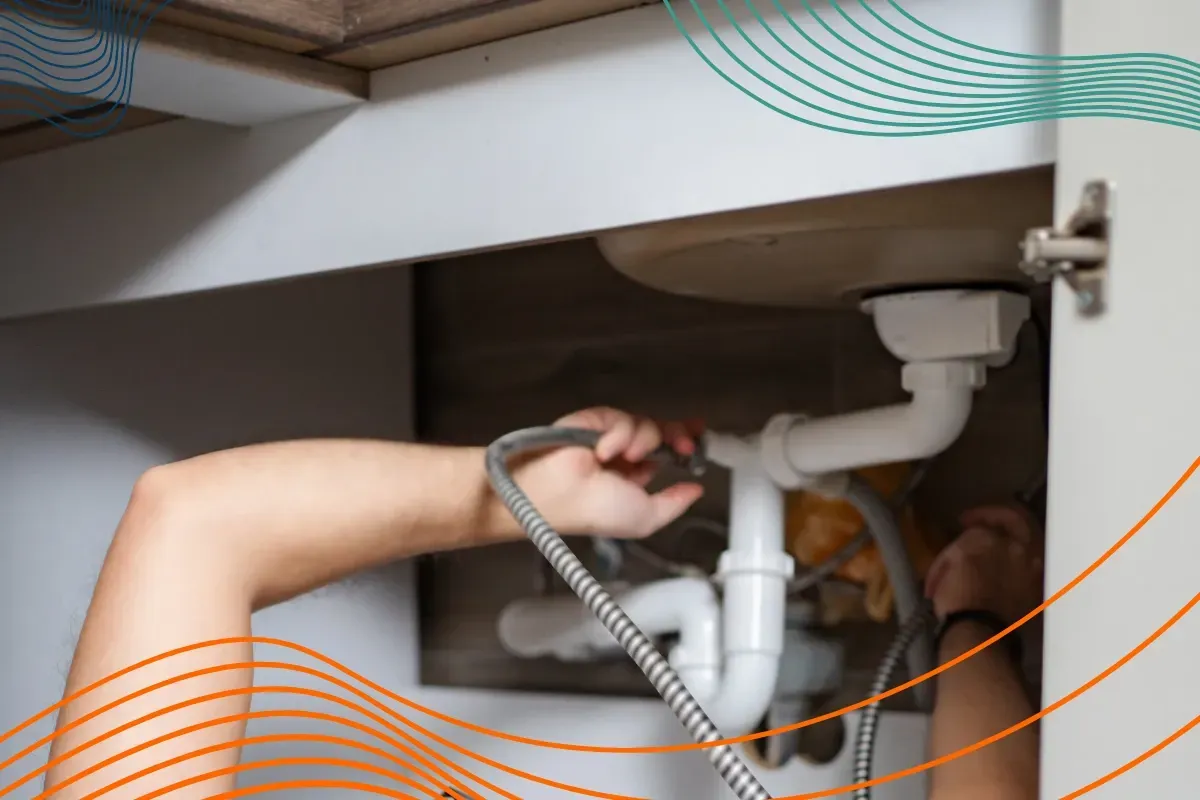
Compression Joints and Traps in Surrey Kitchens
Most kitchen sink leaks don't announce themselves. They start quietly: a faint dampness in the cabinet under the sink, a musty smell you can't quite place, a water stain on the shelf where you keep the cleaning products. By the time you notice something's wrong, the leak has often been going for weeks. The good news? Most of these leaks come from just two places: the compression joints connecting your waste pipes, and the trap sitting beneath your plughole.
This post covers how kitchen waste pipes, compression joints and traps work, why they leak, and what the warning signs look like.
Table of Contents
Common Causes of Kitchen Waste Pipe Leaks
How Kitchen Waste Pipes, Compression Joints and Traps Work
What Are Compression Joints and Where Are They Used?
Why Compression Joints Leak Under Kitchen Sinks
What Kitchen Waste Traps Do and Why They Matter
Warning Signs of a Leaking Kitchen Trap or Waste Pipe
Final Thoughts on Kitchen Pipes Compression Joints and Traps
Common Causes of Kitchen Waste Pipe Leaks
Under-sink leaks in Surrey kitchens nearly always come down to the same handful of problems. Loose or worn connections are the most common culprit: a compression nut that's worked itself loose, a cracked washer at a slip-joint, or a trap fitting that's shifted out of alignment.
Faulty installation is another regular cause. If a pipe wasn't fully inserted before the nut was tightened, you won't get a proper seal. Corrosion and material failure play a role too, particularly in older properties across Surrey. Metal traps corrode and crack over time, and plastic pipes can develop hairline stress fractures that are easy to miss until they get worse.
How Kitchen Waste Pipes, Compression Joints and Traps Work
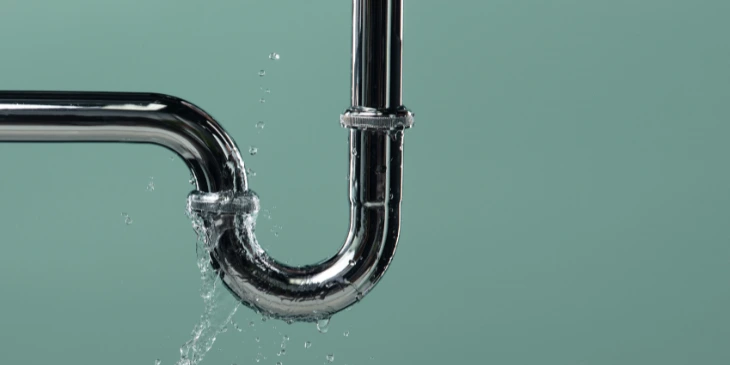
Your kitchen sink drains by gravity. Water leaves the basin through the plughole, travels down the tailpiece, passes through the U-shaped trap, and flows along a slightly sloped horizontal waste pipe into the building's drain stack.
At each connection point, a compression joint holds things together. These are nut-and-ferrule fittings that clamp around the pipe when tightened, creating a watertight seal without soldering or adhesive. The trap always holds a small amount of standing water in its curve, forming a seal that stops sewer gases from rising back into your kitchen.
What Are Compression Joints and Where Are They Used?
A compression joint is a three-part connector: a nut, a ferrule (often called an olive), and a fitting body. When you tighten the nut, it drives the ferrule against the pipe wall, compressing it into a water-resistant seal. No glue, no solder. That also makes them easy to undo and reassemble when repairs are needed.
In a typical kitchen, compression fittings connect the sink tailpiece to the trap, and the trap to the outgoing waste pipe. They're widely used because they're reliable, removable, and work across both metal and plastic plumbing, which matters in Surrey homes where you often find a mix of materials from different eras. For our Guildford customers in particular, we regularly see older copper waste runs partially updated with plastic, with compression joints holding the two together.
Why Compression Joints Leak Under Kitchen Sinks
The most frequent reason a compression joint leaks is incorrect tightening. Too loose, and water seeps past the ferrule. Too tight, and you risk deforming the ferrule or cracking the pipe. The sweet spot is firm hand-tight, plus around a quarter-turn with a wrench.
Alignment matters just as much. If the pipes aren't running straight into the fitting, or the ferrule is seated unevenly, you won't get a full seal. Physical damage is another cause: a cracked ferrule or stripped nut won't seal no matter how carefully you tighten it. In kitchen environments, constant hot water, temperature cycling, and vibration from a waste disposal unit can gradually stress joints that were initially fine. What sealed well on day one can start leaking after years of thermal movement.
If you spot a weeping joint, loosen the nut slightly and re-tighten it to reseat the ferrule. If that doesn't work, replacing the olive and nut is a straightforward fix. For our Woking and Epsom customers, it's a job we turn around quickly.
What Kitchen Waste Traps Do and Why They Matter
The trap under your kitchen sink does two jobs. First, it holds water. That standing water in the U-bend creates a seal of roughly 1.5 to 2 inches, blocking sewer gases from coming back up through the drain. Without it, unpleasant odours would enter your kitchen every time you ran the tap.
Second, the trap catches debris. Food scraps and small objects collect in the curve before they can travel further into the drainage system and cause a blockage deeper in the pipework.
Every time you use the sink, fresh water flushes through the trap and refreshes the seal. Traps in rarely-used sinks can dry out and let through odours as the water evaporates. Running the tap for a few seconds refills it. A blocked vent can also siphon the water out entirely. If you're getting persistent sewer smells in your Sutton or Reigate kitchen and can't find a visible leak, a venting issue is worth investigating.
Warning Signs of a Leaking Kitchen Trap or Waste Pipe
Kitchen leaks rarely start with a puddle. The first thing to look for is persistent dampness inside the cabinet under your sink. Check the base and back wall for water stains, soft or swollen wood, or peeling laminate. A musty smell from the cabinet, even with no visible water, is another reliable indicator.
When the sink is running, watch the joints. An active drip from a compression fitting or the trap body will often be visible if you look carefully. Gurgling sounds as the water drains can suggest the trap isn't holding its seal, or that a partial blockage is building up.
Customers across Camberley, Farnham, Dorking and Redhill often tell us they noticed the smell first, then found the damage afterwards. If your cabinet base feels soft or the wood looks discoloured around the pipe entry points, treat that as a leak until you've checked everything properly.
Final Thoughts on Kitchen Pipes Compression Joints and Traps
Most under-sink problems are straightforward once you know what to look for. Keep compression joints properly fitted and don't overtighten: make sure the olive is seated correctly and the pipe is fully inserted before tightening the nut. If a joint starts weeping, loosen and re-tighten it first. If that doesn't hold, a fresh olive and nut will usually sort it.
Keep your trap in good shape by using the sink regularly. Replace cracked or deformed washers promptly. If you're seeing signs of a leak you can't get on top of, it's worth getting a plumber in before the cabinet suffers more damage. Our team covers the whole of Surrey, so whether you're in Guildford, Woking or anywhere else in the county, we're close by. Find out more on our about page or get in touch via our contact page.

Compression Joints and Traps FAQs
Why is my compression joint under the sink leaking?
The most common reason is incorrect fitting: the nut wasn't tightened properly, or the pipe wasn't fully inserted under the ferrule. Misaligned pipes can also prevent a full seal. Check the olive and nut, if the brass ring is cracked or the threads are damaged, those parts need replacing. A good first step is turning off the water, loosening the nut slightly, then re-tightening it to reseat the ferrule.
How do I stop a leak from a trap or compression fitting?
Run water into the sink and watch the joint. If the nut is simply loose, tighten it carefully, usually just a quarter-turn past hand-tight is enough. If it won't hold, replace the nut and ferrule. For a leaking trap, remove the slip-nuts and washers and inspect them. Any brittle or deformed washers need swapping out. A new trap kit with fresh nuts and seals often solves persistent leaks for good.
What does a trap do, and why do I need one?
The U-shaped bend holds water after each use, forming a seal that stops sewage gases coming back up into your kitchen. The trap also catches small debris before it travels further into your pipework. Every sink needs one, and it needs to stay filled with water to work properly.
Do I need PTFE tape on compression fittings?
No. Compression joints seal by the ferrule being compressed against the pipe, not by threaded surfaces. Adding tape can stop the nut from seating fully and cause leaks. A light smear of plumber's grease on the threads is fine, but let the ferrule do the work.
Are compression fittings reusable?
They can be, but because the ferrule is permanently deformed during installation, most plumbers replace the olive and nut whenever a joint is opened. Fresh compression parts give you the assurance of a reliable seal.
What if I smell sewage when I run the sink?
A sewage smell usually means the trap has lost its water seal, either through evaporation or a venting problem siphoning it dry. Run the tap to refill it and see if the smell clears. If it persists, check for cracks in the trap or a failed seal at the drain flange.
When should I call a plumber for a sink leak?
If tightening the nut or swapping washers doesn't stop the leak, or if you find corrosion or visible damage on the pipework, it's time to get professional help. Our plumbing team covers Surrey from Sutton to Camberley, so don't leave a slow leak to become a bigger problem.
