Overflowing Toilet? Causes and Quick Fixes - 2026
There's nothing quite like the rising panic when you flush and the water doesn't go down. An overflowing toilet can turn a normal day upside down in seconds, sending water across your bathroom floor and threatening the rooms beyond.
Quick take: Most overflowing toilets stem from blockages caused by too much toilet paper or items that shouldn't be flushed. Shut off the water supply at the valve behind your toilet, then use a plunger. If that doesn't work, try hot water with soap, baking soda and vinegar. This guide walks you through causes, immediate actions, and solutions to get things flowing again.
Table of Contents
Common Causes of an Overflowing Toilet
Quick Actions to Stop the Overflow Immediately
How to Turn Off the Water to a Toilet
What to Do If Plunging Doesn't Work
Cleaning Up Safely After a Toilet Overflow
When to Call a Plumber and What to Expect
Common Causes of an Overflowing Toilet
Understanding why your toilet's overflowing helps you fix it properly and prevent it happening again. Blockages are the usual culprit. Flushing too much toilet paper or items that don't break down (wet wipes, cotton buds, sanitary products) clogs the trapway and stops drainage. Even wipes labelled "flushable" don't dissolve like toilet paper and cause problems.
Faulty tank components can also cause overflows. A stuck flush handle, broken fill valve, or misadjusted float might let the tank overfill or fail to shut off. When water rises above the overflow tube, each flush dumps excess into the bowl.
Sometimes the problem's in your main sewer or drain line. Tree roots, severe blockages, or damaged pipes force water back into your home. Toilets are often the first place you'll notice because they're the lowest drain point. Across Surrey, older properties with mature trees are particularly prone to root intrusion.
Blocked vent pipes also hinder drainage. Your plumbing needs air to flow correctly. If vents get blocked by leaves or debris, water drains slowly and may overflow.
Quick Actions to Stop the Overflow Immediately
When your toilet starts overflowing, speed matters. Water damage spreads fast, and every second counts. First: don't flush again. You'll only add more water to an already bad situation.
Stop the water flow immediately. Find the shut-off valve at the base or wall behind your toilet and turn it clockwise. This cuts off supply to the tank. If the valve's stuck, lift the tank lid and manually raise the float arm or push down the flapper to stop water entering the bowl.
Next, contain what's spilled. Grab towels or a mop and soak up standing water straight away. If water's spreading toward other rooms, create a barrier with rolled towels at doorways. Water can seep through to ceilings below, especially in homes across Guildford and Woking with multiple storeys.
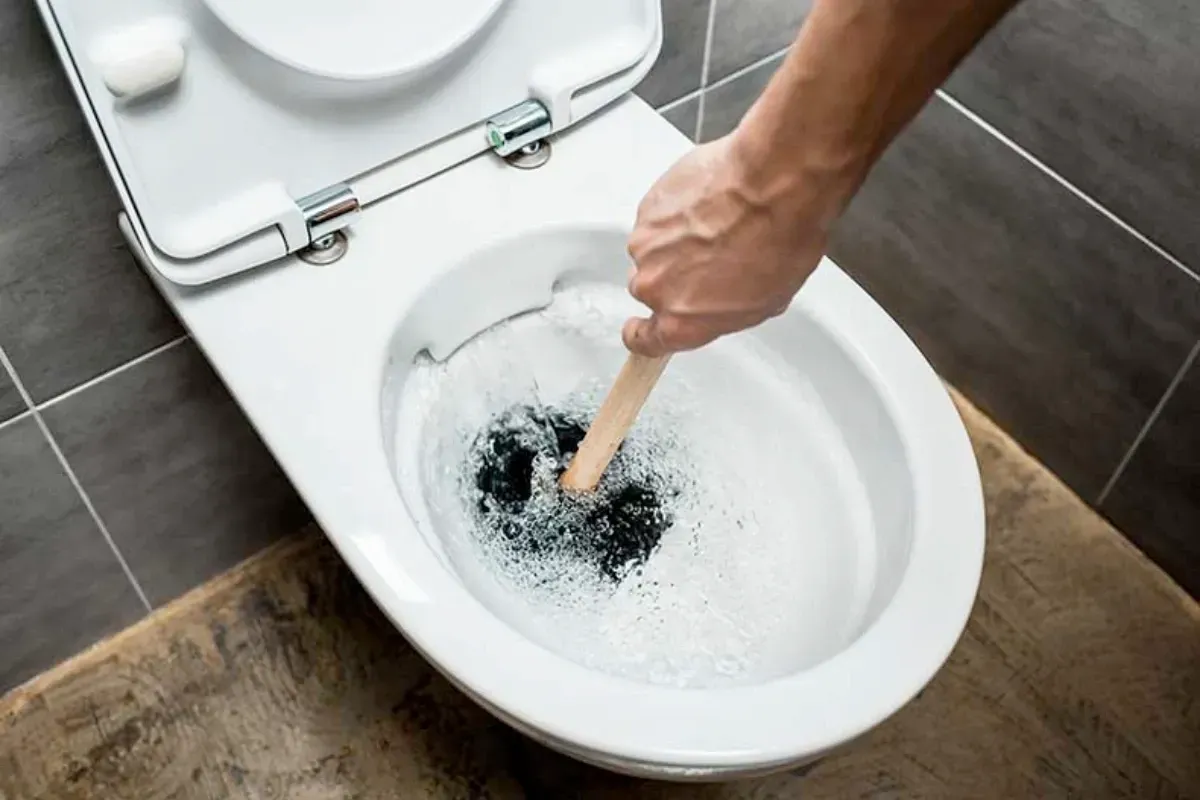
Once you've stopped the flow, try clearing the blockage. Place a flange plunger firmly over the drain opening and push down and pull up with steady movements. A few good plunges often does the trick. If nothing shifts after a dozen attempts, try something else.
How to Turn Off the Water to a Toilet
Knowing exactly where your toilet's shut-off valve is saves precious time. It's usually tucked behind or beside the bowl, low down where the water line connects. Look for a small oval knob or lever, often chrome or brass.
To close it, grip firmly and turn clockwise. If it's a lever, push it perpendicular to the pipe (a quarter turn). The valve might feel stiff if it hasn't been turned in years, which is common in older Surrey properties. Don't force it too hard or you risk breaking it.
After turning the valve, check it worked. Lift the tank lid and watch the water level. If closed properly, the water should stay put. If you don't have a toilet valve or it's seized, use your home's main water shut-off near your meter or where supply enters your property. This stops all water to your home, including the toilet.
Test your toilet's shut-off valve every few months. A quick turn keeps it from seizing and gives you peace of mind you'll be able to act quickly.

What to Do If Plunging Doesn't Work
Sometimes a plunger won't shift a stubborn blockage. Before calling a plumber, try other methods. Pour a bucket of hot water (not boiling) mixed with washing-up liquid into the bowl. The heat and soap can break down organic matter. Let it sit for 10 to 15 minutes, then flush.
Another option is baking soda and vinegar. Pour about a cup of baking soda into the toilet, followed by one or two cups of white vinegar. The fizzing reaction loosens clogs. Wait half an hour, then follow with hot water. This works well for minor organic blockages.
If natural methods aren't working, use a toilet auger (closet auger). It's a flexible cable with a crank handle designed for toilets. Insert the rubber-coated end into the drain and feed it in whilst turning the handle. When you hit resistance, keep cranking to break through the blockage. You can pick up a basic auger from hardware shops in Surrey.
Steer clear of chemical drain cleaners for toilets. These harsh chemicals damage porcelain, corrode metal parts, and harm pipes. They're also dangerous if you need professional help, as chemicals can splash during repair work.
Cleaning Up Safely After a Toilet Overflow
Once you've stopped the overflow and cleared the blockage, proper cleanup is crucial. Toilet overflow water can contain harmful bacteria, especially if sewage is involved. Protect yourself with rubber gloves and waterproof boots. If there's sewage, wear an old long-sleeved shirt and face mask.
Keep children and pets away until the area's properly cleaned. Even clear-looking water has been in contact with your toilet bowl and drain, so it's not safe.
Mop up all spilled water quickly. The longer water sits, the more damage it does. Use old towels or a mop and bucket. Wring everything out thoroughly until the floor's as dry as possible.
Bin anything porous that got soaked - bath mats, toilet rolls, magazines. Hard surfaces need washing with hot soapy water first, then proper disinfecting.
Mix about one cup of bleach with a gallon of water for disinfecting. Scrub all affected floors, walls, and toilet surfaces with this solution. Still wear gloves - bleach is harsh on skin. Let it sit for a few minutes before wiping away.
Open windows and get air moving. Fans speed up drying and reduce odours. The quicker everything dries, the less chance of mould. Finally, wash your hands thoroughly with soap and warm water.
When to Call a Plumber and What to Expect
Some overflowing toilet situations need professional expertise. If your toilet keeps overflowing despite your efforts, something deeper's wrong. When multiple fixtures back up at once - sinks gurgling, other toilets slow to drain - you're likely dealing with a main sewer line blockage.
Water leaking from your toilet's base points to a failed wax seal or flange problem. This can rot floorboards and cause structural damage. Frequent clogs that return immediately after clearing also suggest an underlying issue needing proper diagnosis.
Here in Surrey, from Epsom to Reigate, tree roots can infiltrate older sewer lines, creating recurring blockages that DIY effort won't permanently fix. If you're in an older property with mature trees, this might be worth investigating.
When you call a plumber, they'll ask about the problem's history to diagnose before arriving. Once on site, they'll inspect your toilet and surrounding plumbing properly.
Professional plumbers have motorised snakes, hydro-jets that blast through clogs, and video cameras to find exactly where problems are. They'll clear blockages thoroughly, test everything with multiple flushes, clean up, and often recommend preventative repairs. At Plumbing Surrey, this thorough approach gives homeowners real peace of mind.
Final Thoughts on Overflowing Toilets
Dealing with an overflowing toilet is never fun, but knowing what to do makes all the difference. Quick action - shutting off water, containing spills, and clearing blockages - saves you from serious water damage and costly repairs.
Prevention beats cure. Only flush toilet paper and human waste. Those "flushable" wipes aren't as flushable as packaging suggests. Cotton buds, sanitary products, and excessive toilet paper all cause problems. Mindfulness about what goes down your toilet prevents most overflows.
Regular maintenance helps too. Check your tank components to ensure everything works properly. The fill valve, flapper, and float should move freely and shut off when meant to. If you notice constant running water or hear refilling when nobody's used it, get those parts sorted.
For homes across Camberley, Farnham, Dorking, and Redhill, yearly plumbing inspections catch potential problems early. Small fixes now prevent emergency callouts later.
If DIY methods aren't working, or if the overflow involves sewage, bring in professionals. Some jobs need specialist equipment and expertise.

Overflowing Toilets FAQs
What should I do first if my toilet starts overflowing?
Stop the water immediately. Find the shut-off valve behind your toilet and turn it clockwise. If you can't reach it, lift the tank lid and raise the float arm. Don't flush again - that makes things worse.
Is overflowing toilet water dangerous?
Yes, especially if it contains sewage. Even relatively clear overflow water carries harmful bacteria. Sewage-contaminated water is particularly hazardous. Always wear gloves, disinfect thoroughly, and keep children and pets away.
What items should never be flushed to avoid overflows?
Only human waste and toilet paper should go down your toilet. Never flush wet wipes (even flushable ones), paper towels, cotton buds, sanitary products, or nappies. These don't break down and cause blockages and overflows.
Are chemical drain cleaners a good idea for unclogging?
Generally no. Most plumbers advise against chemical cleaners because they damage porcelain and corrode pipes. Mechanical methods like plungers and augers are safer and more effective.
How can I prevent my toilet from overflowing in the future?
Prevention comes down to careful use and regular maintenance. Flush only appropriate materials and don't use excessive toilet paper. Check your tank's components periodically. Simple monthly treatments like baking soda and vinegar help keep drains clear, and yearly plumbing inspections catch problems before emergencies.
When should I call a plumber instead of trying to fix it myself?
Call a professional if your toilet keeps overflowing despite attempts to fix it, if multiple drains back up, if water leaks from the toilet's base, or if clogs keep returning. These signs point to deeper issues needing proper diagnosis and specialist tools. If you're in Sutton or anywhere across Surrey facing persistent toilet problems, getting expert help saves time, stress, and potential damage.
