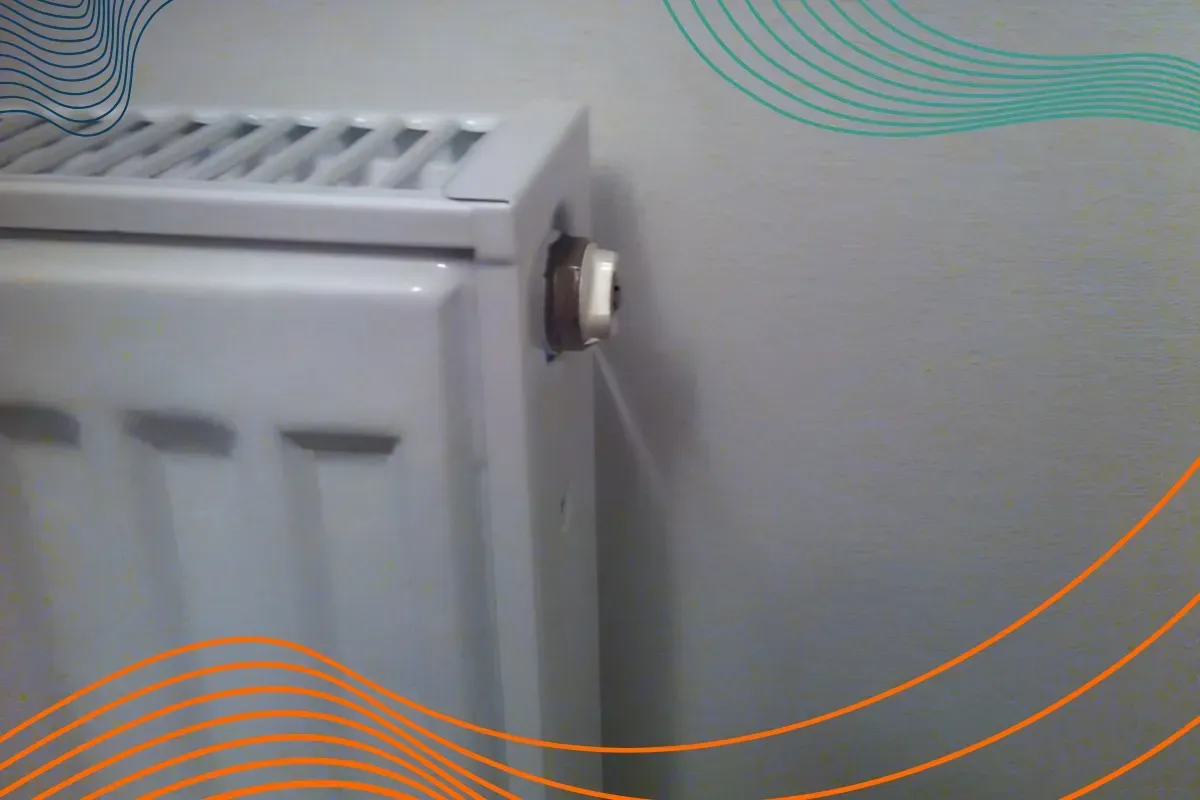
How Do Installers Do Radiator Bleeding in Surrey?
If your radiator is cold at the top and warm at the bottom, trapped air is almost certainly the cause. Radiator bleeding is how installers remove that air so hot water can circulate properly again. This blog walks through how Surrey heating installers approach the job safely: from diagnosing the fault correctly, to checking pressure, to rebalancing the system afterwards. Here is what professional radiator bleeding actually looks like.
Quick take: Cold at the top usually means trapped air; cold at the bottom usually means sludge. Installers cool the system first, open the bleed valve slowly until water runs steadily, then check pressure and rebalance before finishing. Bleeding is one step in a wider process, not a standalone fix.
Table of Contents
Why Professional Radiator Bleeding Matters
Signs a Radiator Needs Bleeding
Tools and Safety Checks Before Bleeding a Radiator
Preparing the Heating System for Safe Radiator Bleeding
Step-by-Step Process Installers Use to Bleed a Radiator Safely
Post-Bleeding Checks and System Rebalancing
Why Professional Radiator Bleeding Matters
Trapped air in a wet central heating system is not just an annoyance. It reduces heat output, causes noise, restricts flow, and can accelerate internal corrosion over time. According to this guidance, air in a hot-water radiator system directly reduces efficiency. That is why installers across Surrey treat radiator bleeding as part of system performance management rather than a quick fix.
For UK heating engineers, the job sits inside a formal commissioning framework. Approved Document L requires that, before a new heating appliance is installed, central heating and primary hot-water circuits should be cleaned, flushed, and treated with inhibitor, with preparation and commissioning carried out in line with BS 7593. Safe radiator bleeding is one part of a wider professional routine that also covers water quality, pressure validation, and leak checks.
Bleeding removes air, but the installer's job is to understand why the air was there in the first place.
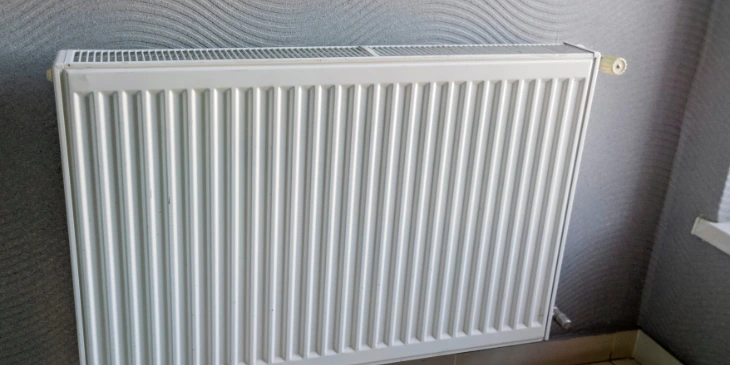
Signs a Radiator Needs Bleeding
The clearest sign is a top section that stays noticeably cooler than the bottom after the system has been running for around 15 to 20 minutes. Air rises, water does not, so trapped air collects at the highest point and stops hot water filling that space. These symptoms also include gurgling, sloshing, or intermittent knocking sounds as the system warms up.
What is equally important is knowing when bleeding is not the answer. A radiator that is cold at the bottom but hot at the top points to sludge or restricted circulation rather than trapped air. Bleeding will not fix that, and an experienced installer in Guildford, Woking, or anywhere else in Surrey will recognise the difference before reaching for the bleed key.
Tools and Safety Checks Before Bleeding a Radiator
The tools are simple: a bleed key or flat-head screwdriver, and a cloth to catch drips. The pre-checks are where professional practice looks different from a DIY attempt.
The first safety rule is temperature. Turn the heating off and wait for radiators to cool before opening any bleed point. Hot water scalding is a genuine risk. No responsible installer opens a bleed valve on a hot, pressurised radiator.
The second check is system type. Sealed systems should sit at around 1 to 1.5 bar when cold. Open-vented systems rely on a feed-and-expansion tank rather than a filling loop. The installer needs to know which type they are dealing with before a single bleed screw is touched, because the method for topping up afterwards differs.
The third check is scope. Radiator-side wet work, including bleeding, falls outside the gas work boundary. Any work on the boiler itself or its final water connection must be carried out by a Gas Safe registered engineer. That line is non-negotiable.
Preparing the Heating System for Safe Radiator Bleeding
Preparation starts with diagnosis. Run the heating first to identify the affected radiators, then switch the system off and let it cool before venting begins. That frames the job as controlled fault-finding rather than reflex maintenance.
Where air keeps recurring, or the system has recently been drained, the cause may not be simple accumulation. It could point to a leak, low static pressure, or a make-up water problem. Checking those possibilities before bleeding means solving the actual problem rather than temporarily masking it.
For newly installed or recommissioned systems, preparation goes further. UK Building Regulations (Document L) require flushing, inhibitor addition, and BS 7593-based commissioning. Manual radiator bleeding, in that scenario, is one step inside a larger fill-and-purge routine. Heating engineers working across Epsom, Reigate, and Sutton encounter both simple in-service bleeds and full commissioning jobs regularly.
Step-by-Step Process Installers Use to Bleed a Radiator Safely
For a straightforward in-service bleed, the professional sequence is as follows.
Step 1: Run the system to identify affected radiators by their symptoms.
Step 2: Shut the system down and let it cool. No bleed point should be opened on a hot or pressurised radiator.
Step 3: Position a cloth under the bleed point before opening anything.
Step 4: Open the bleed valve slowly, just enough to release air. A steady hiss means air is escaping.
Step 5: Close the valve once water runs steadily. Do not wait for it to flow freely.
Step 6: Repeat on any other affected radiators, then move to post-bleeding checks.
For newly installed or recently drained systems, the process is broader. A full purge routine involves filling the circuit to maximum volume flow, flushing cold and hot at least twice, running the heating for at least 15 minutes, and re-purging if needed. That is the standard for commissioning work across Camberley, Farnham, and Dorking.
If the same radiator re-airs within days, stop and investigate. Persistent air points to a leak, pressure fault, or system condition issue, not a reason for repeated venting.
Post-Bleeding Checks and System Rebalancing
Bleeding is not the last step. Professionals always check pressure, leak-tightness, and heat distribution before finishing.
On a sealed system, cold pressure should sit at around 1 to 1.5 bar after bleeding. If it has dropped, top it up per the manufacturer's instructions. Pressure that keeps falling is a fault to investigate, not a cue for another top-up.
After filling and purging, run the system with all thermostatic radiator valves fully open for at least 15 minutes and confirm the symptom has cleared. A professional does not bleed and leave.
If some radiators still heat unevenly afterwards, balancing is likely needed. The HHIC recommends working to around a 20°C temperature drop across each radiator on a condensing boiler, adjusting lockshield valves to redistribute flow from faster, hotter radiators to cooler ones. Once balanced, the boiler can often run at a lower flow temperature, improving efficiency. For homeowners in Redhill or anywhere across Surrey wondering why some rooms always stay cold, uneven balancing is often the reason.
Final Thoughts on Bleeding a Radiator Safely
Radiator bleeding solves trapped air. It does not solve sludge, leaks, poor circulation, or a system that has never been properly balanced. The professional approach is to diagnose the symptom correctly, cool the system before touching the bleed point, restore the right pressure, check for leaks, and rebalance where needed.
The exact sequence for filling, purging, and repressurising varies by boiler model and system design. Manufacturer instructions and the installer's judgement on site are always the governing factors.
If you are experiencing heating problems in your Surrey home and are not sure whether bleeding is the right fix, the team at Plumbing Surrey is happy to take a look. Get in touch or find your nearest local team covering Guildford, Woking, Epsom, Reigate, and beyond.
Bleeding a Radiator Safely FAQs
Does a cold radiator always mean it needs bleeding?
No. A radiator colder at the top than the bottom usually points to trapped air, which bleeding will fix. One colder at the bottom and warm at the top normally means sludge or restricted flow, which needs a different solution.
Should an installer bleed a radiator while the heating is running?
No. Run the system first to identify affected radiators, then switch the heating off and let the radiators cool fully before opening any bleed point.
What pressure should a sealed system show after bleeding?
Cold pressure should normally sit at around 1 to 1.5 bar. If it has dropped, top it up per the boiler manufacturer's instructions. Pressure that keeps falling after repeated top-ups points to a fault, not a need for more venting.
Is radiator bleeding classed as gas work in the UK?
No. Radiator-side wet work falls outside the gas work boundary and does not require Gas Safe registration. Any work on the boiler itself or its final water connection must be carried out by a Gas Safe registered engineer.
Should radiators be rebalanced after bleeding?
Often, yes. If radiators still heat unevenly after bleeding, lockshield balancing is likely needed. The about page has more on how Plumbing Surrey approaches system commissioning work.
Do low-temperature systems change the importance of bleeding?
Yes. Current UK Building Regulations require new wet heating systems to be designed for low flow temperatures where feasible, typically around 55°C maximum. At those temperatures, correct venting, inhibitor protection, and proper balancing matter even more.
What should happen if air keeps returning to the same radiator?
Stop and investigate rather than repeating the bleed. Checks should cover make-up water supply, static pressure, and any evidence of leakage. A local plumber can carry out that diagnosis properly.
Can bleeding a radiator reduce pressure that is too high?
Yes, as a controlled corrective step. An overfilled sealed system can be brought back toward the correct cold range by bleeding a radiator, but if pressure behaviour stays abnormal afterwards, the underlying cause needs to be properly investigated.
