
What are Tap Aerators? How do they Cut Bills? - Surrey
Most people never give the end of their tap a second thought. But screwed onto that outlet is often a tiny device that quietly cuts your water bills, keeps your sink splash-free, and even traps sediment before it reaches you. Tap aerators are one of the simplest, cheapest upgrades a home can have, and yet most Surrey households don't know they're there, let alone whether they're working properly.
Quick take: Tap aerators are small fittings that mix air into your water flow, cutting water use by up to 50% without any real loss of pressure. They come in several types to suit different taps, cost just a few pounds, and take minutes to fit. This blog covers what they are, how they work, the benefits they bring, the types available, and how to pick the right one for your home.
Table of Contents
Benefits of Using Tap Aerators
Types of Tap Aerators Available
How to Choose the Right Tap Aerator
What Are Tap Aerators?
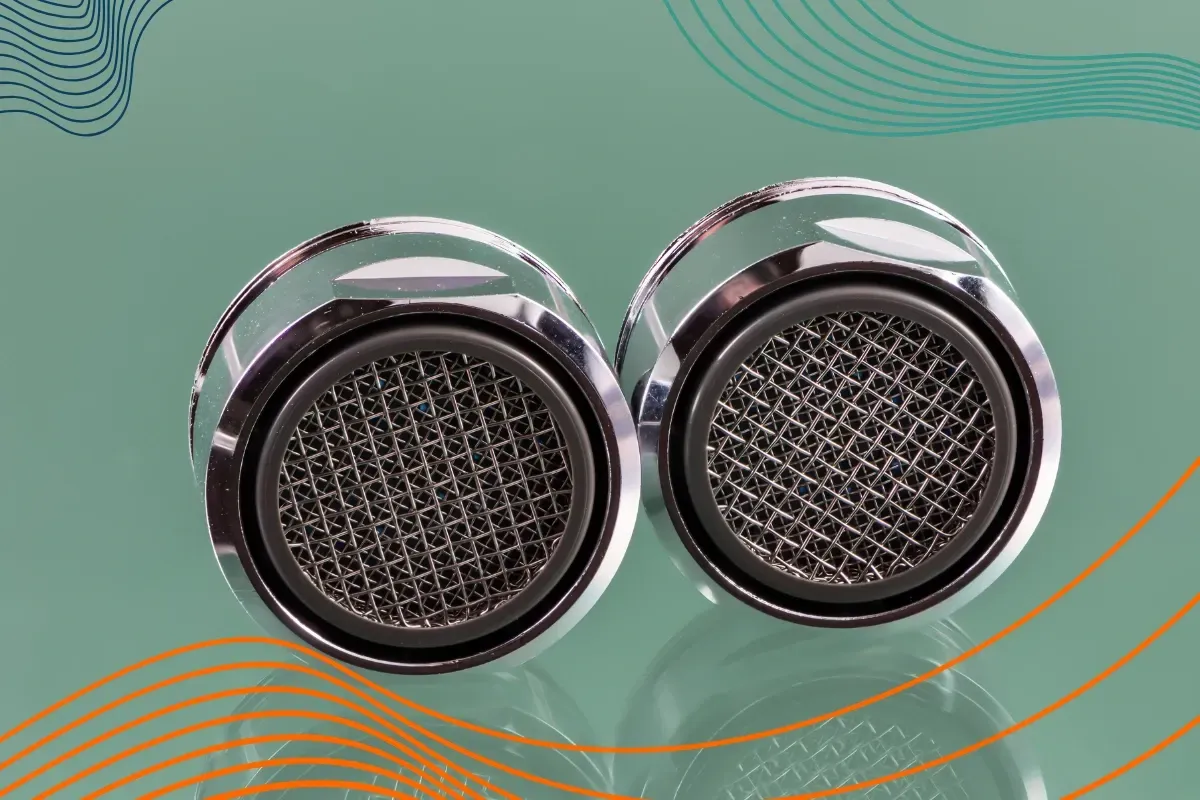
A tap aerator, sometimes called a faucet aerator or flow regulator, is a small device that screws onto the end of an indoor tap. Inside, it contains a fine mesh or screen that mixes air into the water as it flows out. The result is a steady, soft jet that feels full and strong but uses far less water than an unaerated tap.
Think of it this way: instead of one solid stream, the water is broken into many tiny droplets surrounded by air. The flow becomes bubbly and consistent, rather than a hard, splashing jet. The volume drops, but the feel doesn't, which is exactly the point.
They're small, often no bigger than a 50p coin, and most standard kitchen and bathroom taps in Surrey homes will already have one fitted as standard. The question is whether it's the right type, in good condition, and actually doing its job.
How Tap Aerators Work
The process inside a tap aerator is straightforward. As water enters the device under pressure, it passes through a narrow inlet. The speed of the flow, combined with the drop in pressure, pulls air in from the sides. That air-water mixture then passes through a fine mesh screen, which blends and distributes the air bubbles evenly throughout the stream.
The end result is a flow made up of countless tiny droplets, each surrounded by air. It looks fuller than it actually is, and it feels just as pressured. UK guidance is clear on this point: aerators cut water use while keeping the pressure feeling intact.
This is why aerators are so well regarded by water authorities and energy advisers. There's no trade-off in comfort, just less water being used per minute, which adds up considerably over time. For Surrey households on a water meter, that's a real and ongoing saving every single day.
Benefits of Using Tap Aerators
Water and Energy Savings
The headline benefit is water reduction. Fitting a tap aerator can cut water use by half through that tap. For a household where multiple taps are running throughout the day, kitchen, bathroom, cloakroom, that adds up fast. Less water used also means less water heated, which is where the energy saving comes in. If you're running hot water for washing up or hand-washing, an aerator reduces the amount your boiler has to work through, which trims your energy bill too.
Lower Household Bills
Even a modest reduction in flow rate, say dropping from 8 litres per minute to 5, cuts water consumption by around 30% through that tap alone. Across multiple taps and a full year, that's hundreds of litres saved per tap. For Surrey homes on a metered supply, the financial saving is real and consistent. It's one of those rare home upgrades that pays for itself almost immediately.
Splash-Free, Comfortable Flow
The mesh inside an aerator shapes the water into multiple sub-streams rather than one hard jet. This means the water lands gently in the basin or on your hands, rather than bouncing off and soaking the counter. Despite the lower volume, the flow stays steady and controlled, making everyday tasks like hand-washing or rinsing dishes noticeably more comfortable.
Filtering Out Sediment
The fine mesh doesn't just shape the water, it also catches debris. Grit, scale flakes, and tiny particles from older pipes get trapped before they reach you or clog the faucet. In Surrey, where hard water is common, this is a useful added benefit. Aerators should be cleaned regularly to remove calcium build-up and keep the flow consistent, more on that in the FAQs below.
Low Cost, High Return
Tap aerators cost just a few pounds each and require no specialist tools or professional plumbing to fit. They're one of the most cost-effective water-saving measures available, and they last for years with basic maintenance. Water regulators and local councils actively recommend them as part of routine water-saving measures, and it's easy to see why.
Types of Tap Aerators Available
Not all tap aerators work the same way. The type you choose affects the look and feel of the water stream, so it's worth knowing the difference before you buy.
For most Surrey homes, a standard aerated aerator on bathroom basins and a dual-mode or spray aerator on the kitchen sink will cover all everyday needs. The key is matching the type to how you actually use the tap.
How to Choose the Right Tap Aerator
Picking the right aerator comes down to three things: fitting, flow rate, and stream type.
Thread and Size
Before anything else, check your tap's outlet. UK taps typically have either a male thread (external) or female thread (internal), and common diameters are around 22mm or 24mm. You'll need to match both the diameter and thread type to get a proper fit. Getting this wrong means leaks or a unit that won't screw on at all, so measure first.
Flow Rate
Aerators come in fixed flow rates, typically ranging from 1 to 8 litres per minute. For a bathroom basin, a lower flow of 1 to 3 litres per minute saves the most water and works well for hand-washing. For a kitchen sink where you need stronger rinsing power, something in the 4 to 8 litre range makes more sense. Balance water saving with practical need.
Stream Type
As covered above, standard aerated models suit most household taps. If you want flexibility in the kitchen, a dual-mode aerator gives you a concentrated stream and a wider spray in one unit. For specialist settings, laminar aerators are the right call.
Build Quality
Brass aerators tend to last longer and resist corrosion better than plastic ones. If you're in a hard water area, which much of Surrey is, look for models with anti-scaling inserts. WRAS-approved products are a good benchmark for quality in the UK market.
If you're ever unsure whether an aerator is the right fit for your tap, or if you want all your taps checked and upgraded properly, the team at Plumbing Surrey is always happy to help. We work across Guildford, Woking, Epsom, Sutton, Reigate, Camberley, Farnham, Dorking, and Redhill.
Final Thoughts on Tap Aerators
Tap aerators won't make headlines, but they're one of the smartest low-effort upgrades a Surrey homeowner can make. A few pounds, a few minutes, and you've got taps that use less water, cost less to run, and feel just as good to use. Water authorities and councils across the UK actively recommend them, and it's not hard to see why. They deliver results without asking much of you in return.
If your aerators are old, clogged with limescale, or simply the wrong type for your tap, the difference a replacement makes can be immediate. And if you want a hand checking or fitting them, our Surrey plumbers are just a call away. You can also find out more about us or get in touch directly to book a visit.
Tap Aerators FAQs
Will a tap aerator reduce my water pressure?
Not in the way most people worry about. Aerators do reduce the volume of water coming through, but they maintain the feel of good pressure. Because the flow is broken into multiple streams mixed with air, the water still comes out feeling strong and steady. UK guidance confirms that aerators cut flow while keeping the pressure sensation intact. You get a full-feeling stream with less water behind it.
How much water can I actually save?
Quite a lot, realistically. Dropping the flow rate from 8 litres per minute to 5 cuts water use by around 30% through that tap. Government guidance goes further, noting savings of up to 50% in water use with the right aerator fitted. The exact figure depends on your original tap and the aerator you choose, but most households see hundreds of litres saved per tap over the course of a year.
Can I fit aerators on any tap?
Most standard kitchen and basin taps will accept an aerator, but you need to match the size. Check whether your tap outlet has a male or female thread, and measure the diameter. Common UK sizes are around 22mm or 24mm. Some older or more unusual taps may need an adapter. If you're not sure, a local plumber can check and fit the right unit for you.
How do I install one?
Installation is usually simple. Unscrew any existing aerator or flow restrictor from your tap outlet. Screw the new aerator in place, hand-tight first, then snug it up with a cloth and pliers if needed. Make sure the rubber washer is in place to prevent leaks. Clean the outlet before fitting if there's any visible limescale build-up.
How often should I clean or replace it?
Every six months is a good rule of thumb, or sooner if your flow starts to feel weaker. Hard water areas like much of Surrey mean calcium builds up quickly in the mesh. Unscrew the aerator, rinse the parts under water, and soak in white vinegar for an hour to clear the scale. If the mesh is cracked or permanently blocked, replace the unit. They're cheap enough that it's not worth persisting with a damaged one.
Can a tap aerator filter out contaminants?
Partly. The mesh will trap sediment, grit, and small particles, including scale and tiny flakes from older pipes, which helps protect both your faucet and your water quality. But aerators aren't full water filters. They won't remove dissolved chemicals or bacteria. Their main job is controlling flow, so don't rely on them in place of proper filtration if that's a concern.
