How Tracer Gas Can Help Fix Your Leaks - Surrey
A hidden leak can do a lot of damage before you even know it's there. Water bills creeping up, damp patches appearing from nowhere, a faint sound of running water when everything's switched off. It's unsettling, and finding the source isn't always straightforward. That's where tracer gas leak detection comes in. It's a modern, non-invasive method that lets plumbers pinpoint leaks beneath concrete, under driveways, and inside walls without unnecessary digging.
Quick take: this post explains what tracer gas is, how it works, when it's the right call, and what signs to look out for in your home.
Table of Contents
What Is Tracer Gas for Plumbing?
How Tracer Gas Leak Detection Works
When Tracer Gas Is Used in Plumbing Systems
Benefits of Using Tracer Gas for Plumbing Leak Detection
Common Signs You May Need Tracer Gas Leak Detection
What Is Tracer Gas for Plumbing?
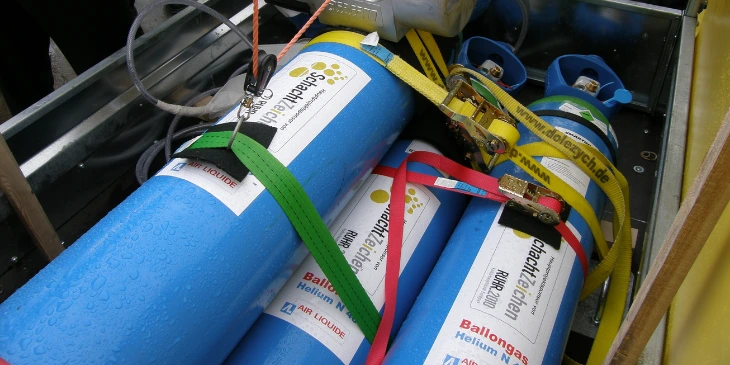
Tracer gas leak detection uses a safe, detectable gas, usually helium or a mix of hydrogen and nitrogen, to find hidden leaks in a plumbing system. The gas is introduced into a pressurised pipe. If there's a crack or breach, the gas escapes through it and rises to the surface. A technician then walks the line with a handheld detector, often called a "sniffer," which alerts when it picks up even the faintest trace of escaping gas.
The reason this method works so well comes down to the properties of the gases used. Helium, for instance, is present in normal air at around 5 parts per million, so any reading above that points to a leak. Hydrogen, always used in a safe blend of 5% hydrogen with 95% nitrogen, is non-flammable at those levels and disperses quickly once released into the air. Both gases have tiny molecules that can squeeze through the smallest cracks, making them ideal for finding leaks that other methods simply can't detect.
For homeowners across Surrey, this means a plumber can locate a leak under your patio or behind a wall and get straight to the repair, with no guesswork and no unnecessary upheaval.
How Tracer Gas Leak Detection Works
The process is methodical and far less disruptive than most people expect. Here's how it typically unfolds.
First, the section of pipe being tested is isolated using inflatable plugs, then filled with tracer gas, most commonly the hydrogen/nitrogen blend. Because the gas is lighter than air, it moves upward through soil, sand, asphalt, or concrete and makes its way to the surface above the leak.
A technician then walks slowly along the pipe's route with a gas detector. The detector monitors the air continuously and sounds an alert the moment it picks up a reading. This allows the leak to be located to within roughly a metre, sometimes less. Once confirmed, only a small, targeted excavation is needed to access and repair the pipe.
What makes this particularly useful is the ability to test multiple lines at once. New research shows that the gas can map all leaks across a pipe network in a single test session, so nothing gets missed and repairs can be planned and prioritised efficiently.
For anyone in Guildford, Woking, or Epsom with suspected underground leaks, this kind of systematic approach saves time and avoids the disruption of pulling up large sections of garden or flooring unnecessarily.
When Tracer Gas Is Used in Plumbing Systems
Tracer gas isn't needed for every leak. It's the method plumbers reach for when a leak is hidden, deep, or resistant to other detection approaches. There are a few scenarios where it really comes into its own.
Under concrete slabs and driveways. If a supply pipe runs beneath a solid floor or a driveway, acoustic detection can struggle to pick up the sound of escaping water clearly. Tracer gas rises through the material regardless, making it far more reliable in these situations.
Plastic and non-metallic pipework. Acoustic leak detection relies partly on the vibration of the pipe itself. Plastic pipes, including PVC and PEX, don't transmit sound in the same way. Tracer gas works on any pipe material because it relies on the gas escaping, not on sound.
Pool and spa plumbing. Pool pipes are often buried in compacted sand or rock, making leaks notoriously difficult to find. Tracer gas is well-suited to this kind of work, locating leaks without unnecessary excavation around the pool structure.
New installations and pressure testing. Tracer gas can be used to test newly commissioned pipework before it's ever filled with water, a useful quality check on new builds and refurbishments.
When other methods haven't worked. If a leak is suspected but acoustic or thermal surveys have drawn a blank, tracer gas offers an alternative route. It's a reliable fallback when the signs are there but the source isn't showing up.
Plumbing teams serving Reigate, Camberley, Farnham, and Dorking carry the equipment needed for tracer gas testing, meaning this service is available across the county for both residential and commercial properties.
Benefits of Using Tracer Gas for Plumbing Leak Detection
There are several strong reasons why tracer gas has become a go-to method for leak detection professionals.
Pinpoint accuracy. The detector can identify a leak to within a metre or less. That means the excavation needed is small and targeted, rather than a long trench dug on a hunch.
Works on any pipe material. Whether the pipes are copper, steel, PVC, or PEX, tracer gas performs equally well. The method doesn't depend on the pipe's ability to carry sound or conduct heat.
Non-intrusive. There's no need to flood the area, apply dye, or interfere with the water supply. It's a dry test that doesn't disturb the system or the surrounding property.
Safe for your home and water supply. Helium is completely inert and poses no risk to health or the environment. The hydrogen/nitrogen blend is non-combustible at the concentrations used and is approved for use in drinking water networks. Neither gas corrodes pipework or contaminates the water supply.
Multiple leaks found in one visit. Because the gas spreads through the full pipe network, multiple leaks can be identified in a single test. This gives a complete picture of a system's condition, rather than finding one leak only to discover another a few months later.
For Surrey homeowners, the practical upshot is less disruption, lower repair costs, and greater confidence that the problem has been properly dealt with. You can find out more about the plumbing services available across the county, or get in touch directly via the contact page.
Common Signs You May Need Tracer Gas Leak Detection
Sometimes a leak makes itself obvious. Other times, it hides for months. These are the signs worth paying attention to, especially if more than one crops up at the same time.
Rising water bills. If your usage has gone up but nothing in your routine has changed, a hidden leak is one of the most common explanations. Even a slow, steady drip underground can add up quickly on a quarterly bill.
Wet patches in the garden. Soggy ground, puddles that reappear after dry weather, or a stretch of lawn that's greener and lusher than the rest — these can all point to a supply line leaking beneath the surface.
Drop in water pressure. If the pressure at your taps has fallen noticeably, and it affects the whole house rather than one fixture, that's worth investigating. It can mean water is escaping somewhere along the main line before it reaches your home.
Sound of running water. Hearing water moving when all taps and appliances are off is a classic sign of a pressurised leak underground or inside a wall.
Damp smells or wet floors. A musty smell, unexplained dampness on a floor, or discolouration on a ceiling can all signal water building up behind or beneath a surface. Left unchecked, this leads to rot and mould.
Warm patches on the floor. If a hot water pipe is leaking under a concrete slab, you may notice an unusually warm spot on the floor above it, particularly noticeable on tiled floors.
If any of these ring true for your property in Sutton, Redhill, or elsewhere across Surrey, it's worth having a professional take a look. The about page has more on the team and the approach taken to leak detection work.
Final Thoughts on Tracer Gas for Plumbing
Hidden leaks don't fix themselves. The longer they go undetected, the more water is wasted and the more damage builds up behind the scenes. Tracer gas leak detection gives plumbers a reliable, accurate way to find those leaks without tearing up large sections of your property in the process.
The method works across all pipe types and materials, handles the most challenging access situations, and uses gases that are completely safe for your home and water supply. For Surrey properties, where plumbing often runs under mature gardens, solid driveways, or older slab foundations, it's a genuinely practical solution.
If you've noticed any of the warning signs covered in this post, or if you've had surveys done before that couldn't pinpoint the problem, tracer gas testing is a logical next step. A targeted test can give you a clear answer quickly, with a much smaller hole to fill once the repair is done.
For more on leak detection and plumbing services across the county, visit thePlumbing Surrey website, or head to thecontact page to arrange a visit.
Tracer Gas for Plumbing FAQs
What is tracer gas leak detection?
It's a method where a safe, detectable gas is injected into a pressurised pipe. If there's a crack or break, the gas escapes through it and rises to the surface, where a handheld detector alerts the technician to its exact location. It works on any pipe type and can locate leaks beneath concrete, asphalt, or deep soil.
Is tracer gas testing safe for my home and water supply?
Yes. The gases used, helium and the hydrogen/nitrogen blend, are non-toxic, non-corrosive, and approved for use in drinking water networks. The hydrogen mix is non-combustible at the concentrations used and disperses quickly once released. Your pipes, your water, and your household are not at risk.
What types of tracer gas are used?
The two most common options are helium and a 5% hydrogen/95% nitrogen mix. Helium is completely inert and easy to detect at very low concentrations. The hydrogen blend is equally reliable and is the more commonly used option for residential plumbing work in the UK.
When should I consider tracer gas over other methods?
Tracer gas is the right choice when a leak is hidden and can't be found with visual checks or acoustic listening. It's particularly useful for leaks under concrete or asphalt, in plastic pipework, or in cases where other surveys have been inconclusive. If the signs of a leak are there but the source isn't showing up, tracer gas is a sensible next step.
Will tracer gas testing damage my plumbing?
No. The gases run at low pressure and have no effect on pipe materials. Tracer gas is non-corrosive and leaves no residue. Your pipework will be in exactly the same condition after the test as it was before.
