
Wet or Electrical Underfloor Heating in Surrey?
Cold floors in the morning are one of those small discomforts that add up fast. If you're thinking about underfloor heating for your Surrey home, you've probably already hit the same question most homeowners face: wet or electric?
Quick take: Wet underfloor heating uses warm water pumped through pipes beneath the floor and suits new builds or major renovations where the floor is already open. Electrical underfloor heating uses heating cables or mats, is quicker to install, and works best in single rooms or retrofits. Wet systems cost more upfront but less to run. Electric systems are the opposite. Your choice comes down to the scale of your project, your budget, and how you heat your home.
Table of Contents
What Is Wet Underfloor Heating?
What Is Electrical Underfloor Heating?
How Do Wet and Electrical Underfloor Heating Systems Work?
Key Differences Between Wet and Electrical Underfloor Heating
Wet Underfloor Heating vs Electrical Underfloor Heating Costs
Which Type of Underfloor Heating Is Best for Your Home in Surrey?
Floor Covering Suitability Guide
Final Thoughts on Wet Underfloor Heating versus Electrical Underfloor Heating
What Is Wet Underfloor Heating?
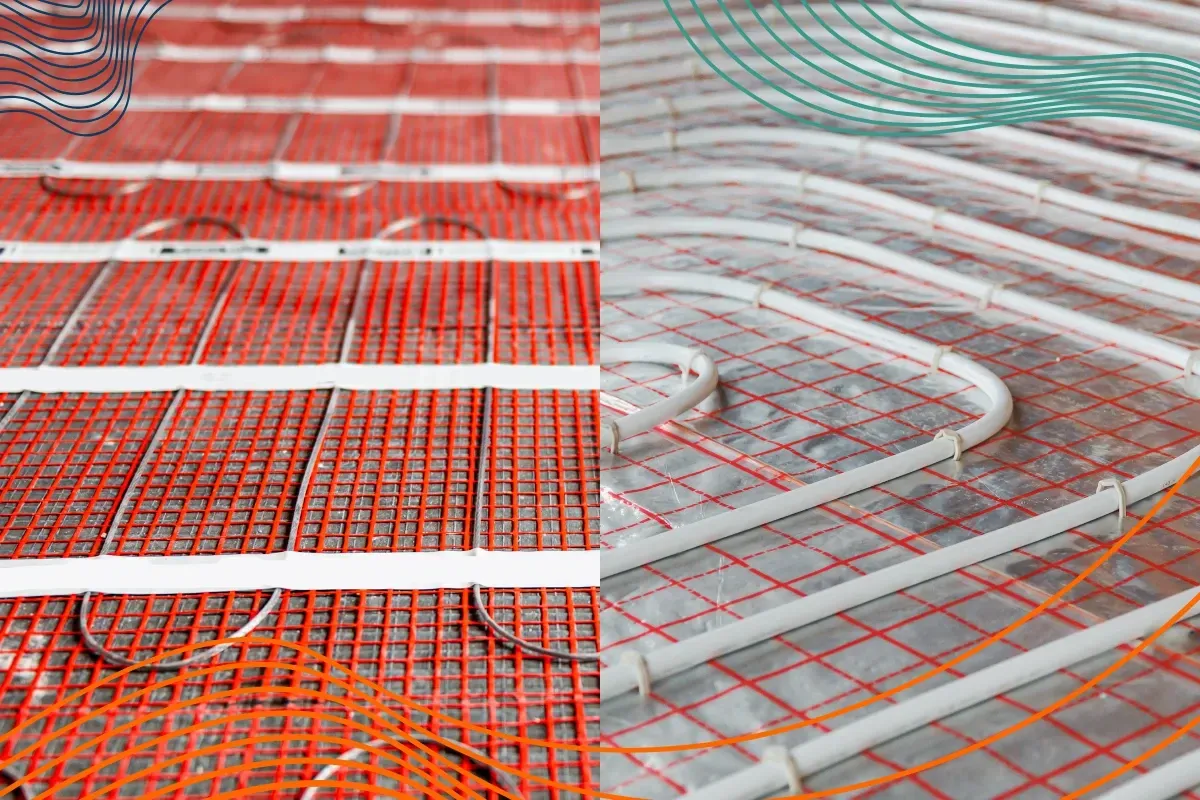
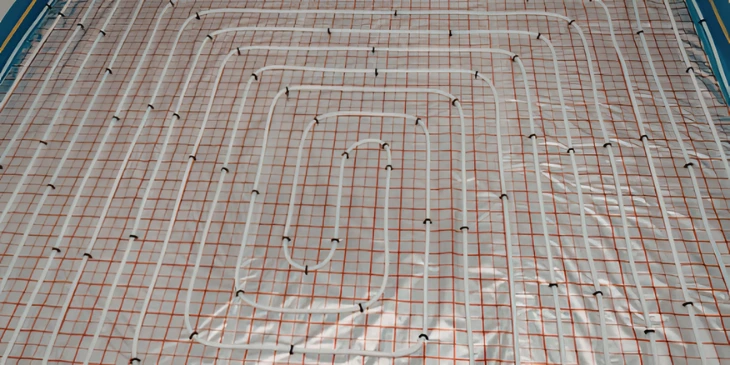
Wet underfloor heating, sometimes called hydronic or water-based underfloor heating, works by pumping warm water through a network of plastic pipes laid beneath your floor. The water is heated by your boiler or heat pump, then circulated through the pipe loops. As it flows, it heats the floor above, which radiates warmth evenly up into the room.
Think of it as turning your entire floor into a large, low-level radiator. Because heat is spread across a wide surface area, wet underfloor heating runs at much lower water temperatures than standard radiators. Typically around 35-50°C rather than the 70-90°C that radiators need. That lower operating temperature is one of the reasons wet systems pair so well with modern heat pumps, and why they can reduce carbon emissions compared to conventional heating.
Our plumbing teams across Guildford, Woking, and Epsom fit wet systems regularly in new builds and larger renovation projects across Surrey.
What Is Electrical Underfloor Heating?
Electrical underfloor heating is a "dry" system. Instead of water pipes, it uses electric heating cables or mats laid beneath the floor surface. When you switch it on, electric current runs through the cables, which heat up and warm the floor above by conduction. The floor then radiates that warmth up into the room.
Electric systems typically come as pre-spaced mats where the cable is already attached to a mesh, making them quick and straightforward to lay. You can also get loose-cable systems for awkward room shapes, and foil heaters that sit under floating floors like laminate or engineered wood.
Electrical underfloor heating is especially popular in bathrooms, kitchens, and ensuites across Surrey, and a common retrofit choice for plumbing projects in homes across Sutton and Reigate where raising the floor height isn't practical.
How Do Wet and Electrical Underfloor Heating Systems Work?
Both types of underfloor heating deliver warmth from the floor up, but they go about it differently.
With wet underfloor heating, a manifold distributes heated water from your boiler or heat pump into multiple pipe loops beneath the floor. Rigid insulation sits below the pipes to stop heat escaping downward. Above the pipes, a screed layer encases the tubing and acts as a thermal mass, holding the heat and releasing it slowly and steadily. The energy authority notes that radiant floor systems are often preferred because heat is delivered at floor level, where it's most useful.
With electrical underfloor heating, the process is more direct. Electric current passes through resistance cables, which generate heat and warm the floor above by conduction. A thermostat controls the circuit, switching it off when the set temperature is reached and back on as needed. Because many electric mats sit in a thin layer of tile adhesive, this heating guide explains, the warmth is distributed evenly around the room without the need for screed. That's why electrical underfloor heating adds so little height to the floor.
Key Differences Between Wet and Electrical Underfloor Heating
Here's a side-by-side look at how the two systems compare:
Wet Underfloor Heating vs Electrical Underfloor Heating Costs
Cost is where the decision often gets serious. The two systems sit at opposite ends of the scale when it comes to upfront spend versus long-term running costs.
Wet underfloor heating carries a higher installation cost, roughly £100 to £190 per m² for a professional installation in the UK, including materials and labour. A large living room at 20m² could run to £1,800 to £2,200. If your boiler isn't compatible with the lower flow temperatures that wet underfloor heating needs, an upgrade may add further cost.
Electrical underfloor heating is cheaper to install, typically £50 to £85 per m². The mats or cables go in quickly, screed isn't required in most cases, and there's no boiler connection needed. For a single bathroom or kitchen, the total outlay is relatively modest.
Running costs tell a different story. Electricity costs more per unit of heat than gas or a heat pump, so electrical underfloor heating costs more to run day-to-day. For a single bathroom used a few hours a day that's manageable, but for whole-house heating the bills add up. Wet underfloor heating, especially when paired with a heat pump, has a lower ongoing cost and puts less strain on the heat source.
The honest take: for one or two rooms, electrical underfloor heating is often the more practical choice overall. For a full home or major extension, wet underfloor heating tends to make more sense over the long term.
For cost advice specific to your area, our plumbing teams in Camberley, Farnham, and Dorking are happy to chat through your options. You can also visit our about page to learn more about how we work.
Which Type of Underfloor Heating Is Best for Your Home in Surrey?
There's no single answer. It depends on your home, your project, and what you want from your heating. But there are some clear patterns.
Choose wet underfloor heating if:
You're building a new home or doing a major renovation where the floor is already open
You want to heat multiple rooms or the whole house
You're installing or already have a heat pump, as wet systems and heat pumps are a natural fit
You're focused on lower long-term running costs and don't mind a higher upfront investment
Choose electrical underfloor heating if:
You're renovating a bathroom, kitchen, or ensuite and want warm floors without major disruption
Your floor height is fixed and can't accommodate pipes or screed
You need a quick, clean plumbing-free installation with minimal fuss
You want supplemental heating in one or two rooms rather than a whole-house solution
Surrey homes vary a lot, from Victorian terraces in Redhill to newer builds across the county. The right system depends on your floor structure, your existing heating setup, and what you're trying to achieve. Speaking to a qualified plumber before committing is always a sensible step.
Floor covering matters too. Choosing the right mat for your floor type makes a real difference to how well either system performs. Tile and stone work brilliantly with both. Engineered wood and laminate can work well if they're rated for underfloor heating. Thick carpets and solid wood are best avoided with either system, as they block heat from rising.
Floor Covering Suitability Guide
Final Thoughts on Wet Underfloor Heating versus Electrical Underfloor Heating
Both wet underfloor heating and electrical underfloor heating deliver the same core benefit: warm floors and even, comfortable heat throughout the room. The question is which system fits your home and your project.
Wet underfloor heating is the long-game choice. It costs more to install, takes more time, and needs a qualified plumbing engineer to fit it properly. But it runs more cheaply, pairs well with heat pumps, and can handle whole-house heating without trouble. If you're building new or doing a larger renovation in Surrey, it's well worth considering.
Electrical underfloor heating is the practical choice for most retrofit projects. It goes in quickly, adds minimal floor height, and works brilliantly in tiled rooms like bathrooms and kitchens. Running costs are higher, but for a single room used a few hours a day, the difference is manageable and the comfort payoff is real.
Getting the installation right matters for both. Wet underfloor heating is not a DIY job. It involves plumbing, screed, manifold installation, and boiler integration. Electrical systems are simpler but still need careful layout and a safe, tested connection. For Surrey homeowners looking for the right system and a proper installation, our team is on hand to help. Get in touch and we'll talk you through your options.
Wet vs Electrical Underfloor Heating FAQs
Is wet or electrical underfloor heating cheaper to install?
Electrical underfloor heating is cheaper. Electric systems cost around £50 to £85 per m², while wet underfloor heating runs from £100 to £190 per m² once you factor in pipes, screed, manifold, and labour.
Which system costs less to run?
Wet underfloor heating costs less to run over time, particularly when connected to a heat pump or modern boiler. Electrical underfloor heating draws from mains electricity, which costs more per unit of heat. For whole-house plumbing and heating use, the annual difference can be noticeable.
Can I install underfloor heating in an existing Surrey home?
Yes, both systems can be retrofitted. Electrical underfloor heating is the easier option, adding only a few millimetres of floor height. Modern low-profile wet underfloor heating systems can also be retrofitted with as little as 15 to 30mm of extra floor build-up, though the plumbing work involved is more substantial.
How long does each system take to heat up?
Wet underfloor heating takes longer, typically 1 to 2 hours, due to the thermal mass of the screed. Electrical underfloor heating heats up faster, usually within 30 to 60 minutes. A programmable thermostat is the best approach for both.
What floor coverings work with underfloor heating?
Tile and stone are the best performers. Engineered wood, laminate, and vinyl can work if they carry a UFH compatibility rating. Thin carpets can be used with care. Keep the tog rating under 1.5 for wet underfloor heating and under 2.5 for electrical underfloor heating.
Do I need a new boiler for wet underfloor heating?
Not always. Wet underfloor heating runs at lower water temperatures than standard radiators, so some older boilers may need upgrading to handle it properly. A qualified plumber can assess your current setup and advise before any installation begins.
Which system works best with a heat pump?
Wet underfloor heating. Heat pumps are most efficient when producing water at lower temperatures, which is exactly what wet underfloor heating needs. Electrical underfloor heating draws from mains electricity and doesn't connect to a heat pump.
Where does Plumbing Surrey install underfloor heating?
We install both wet and electrical underfloor heating right across Surrey. Visit our homepage to find out more about the areas we cover.
